A brazing application is a high-temperature
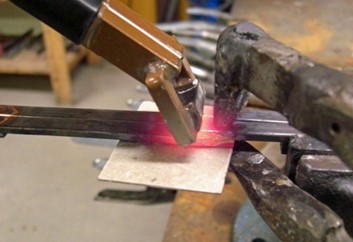
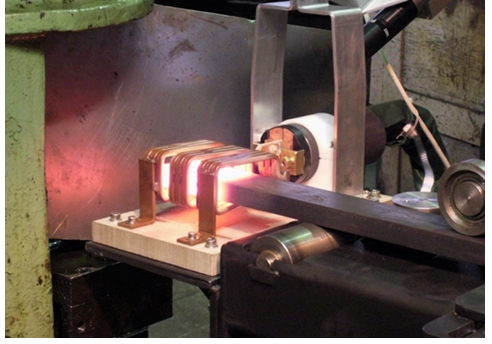
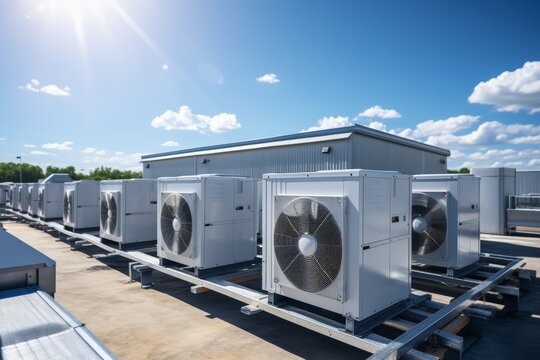
metal-joining process that creates strong, leak-proof, and corrosion-resistant joints by melting a filler metal—without melting the base materials—which flows into the joint via capillary action. It is widely used to join similar or dissimilar metals in HVAC/R, automotive, and aerospace industries, such as copper piping, turbine blades, and tools
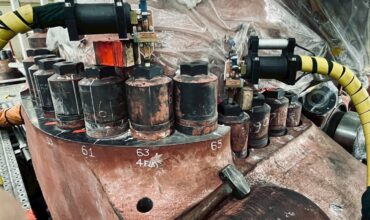
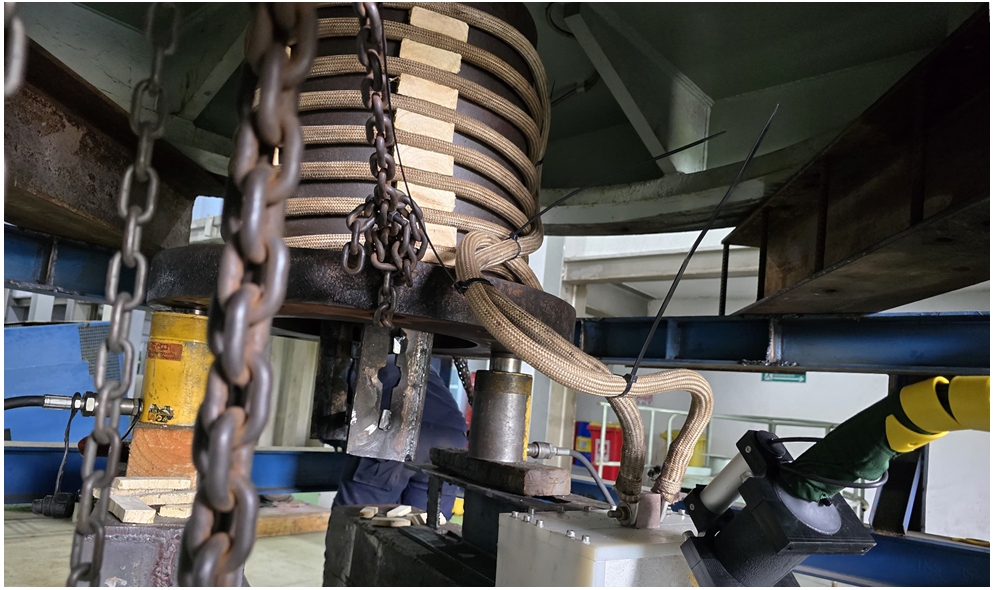
An induction bolt heater is a tool that uses electromagnetic induction to rapidly and precisely heat metal bolts, causing them to expand for fast, safe, and controlled tightening or loosening. By inducing localized eddy currents, it heats only the fastener, not surrounding components, and acts as a safer alternative to open-flame torches.
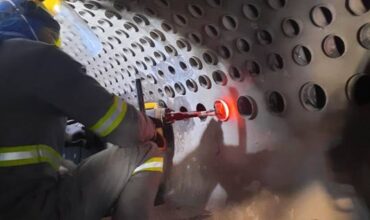
A boiler tube removal heater (often called an induction heat tube extraction tool) is a specialized device that uses electromagnetic induction to quickly heat and shrink old, damaged, or corroded boiler tube stubs. By inducing heat, it breaks the seal between the tube and the tube sheet, allowing for easy, damage-free removal without using open flames or requiring heavy mechanical force.
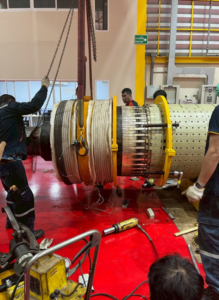
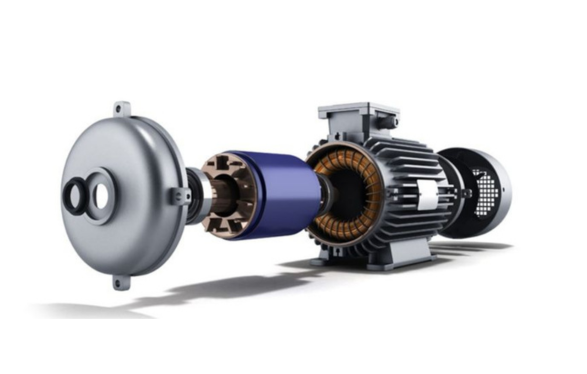
Induction shrink fitting uses electromagnetic fields to rapidly and precisely heat metal components (typically 150°C–300°C). This causes the outer part to expand, allowing it to be assembled over a shaft or mating component. As it cools, the component contracts to create a tight, durable, and clean interference fit
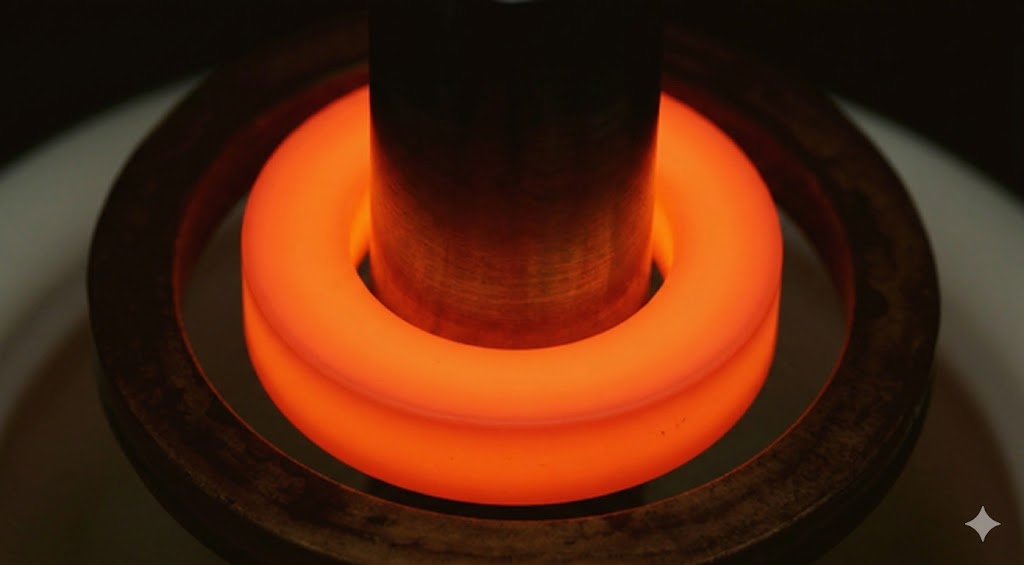
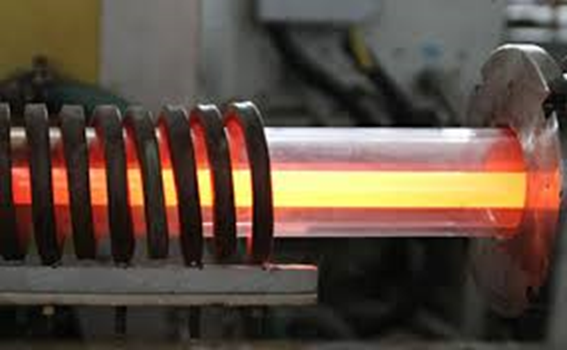
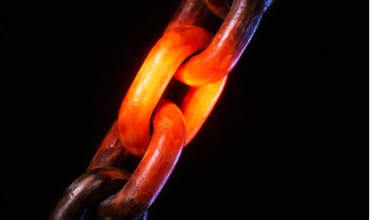
Induction forging is a highly efficient, precise, and flameless metal-forming process that uses electromagnetic induction to rapidly heat conductive workpieces to forging temperatures. It uses an alternating magnetic field to generate heat directly within the metal via eddy currents, allowing for targeted heating and rapid, automated forging with minimal oxidation.
Induction hardening is a rapid, precise surface heat treatment process that uses electromagnetic induction to heat a conductive material’s surface, followed by immediate quenching to increase wear resistance and strength while maintaining a ductile core. It uses copper coils to generate high-frequency fields that create eddy currents, heating only the specific, targeted areas. Common applications include gears, shafts, bearings, and sprockets, with synonyms including surface induction hardening or selective induction heat treatment
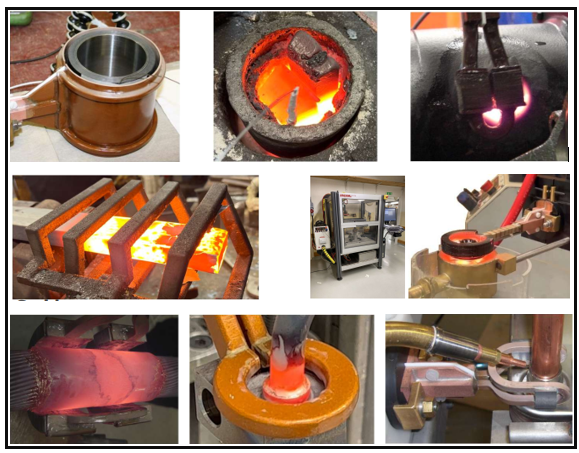
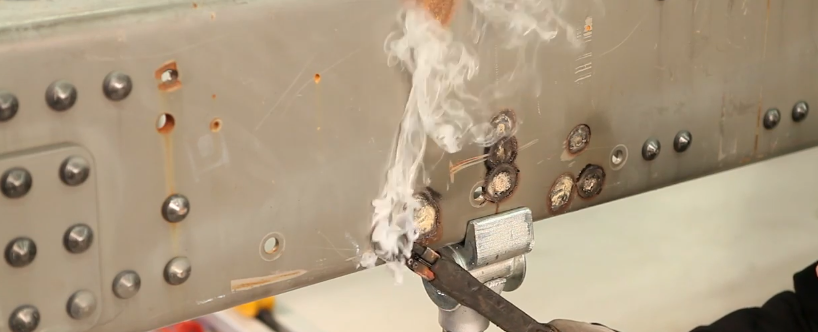
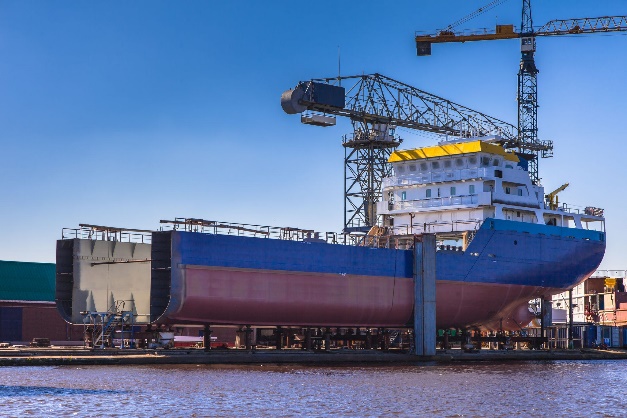
Induction Straightening is a precise, high-speed, and non-contact metal deformation correction method that uses electromagnetic induction to generate localized heat in specific zones. As these heated areas cool and contract, the metal is pulled into a flatter shape, making it up to 50–80% faster than traditional flame heating for straightening steel decks, bulkheads, and beams
Induction annealing is a precise, high-speed heat treatment process that uses electromagnetic induction to soften metal components by heating them above their recrystallization temperature, then cooling them. It enables localized, energy-efficient heating without contact, improving ductility and relieving internal stress for applications like tube annealing, brass cartridge case hardening, and wire processing.
Induction tempering is a rapid, precise heat-treatment process used to increase toughness and ductility in previously hardened metal parts, such as shafts, gears, and joints. It uses electromagnetic induction to heat components to specific temperatures, usually in seconds or minutes, reducing brittleness and stress, often performed in-line directly after hardening.
Copyright © 2025, thepko-thai.com All Right Reserved